Oceanic Peptides
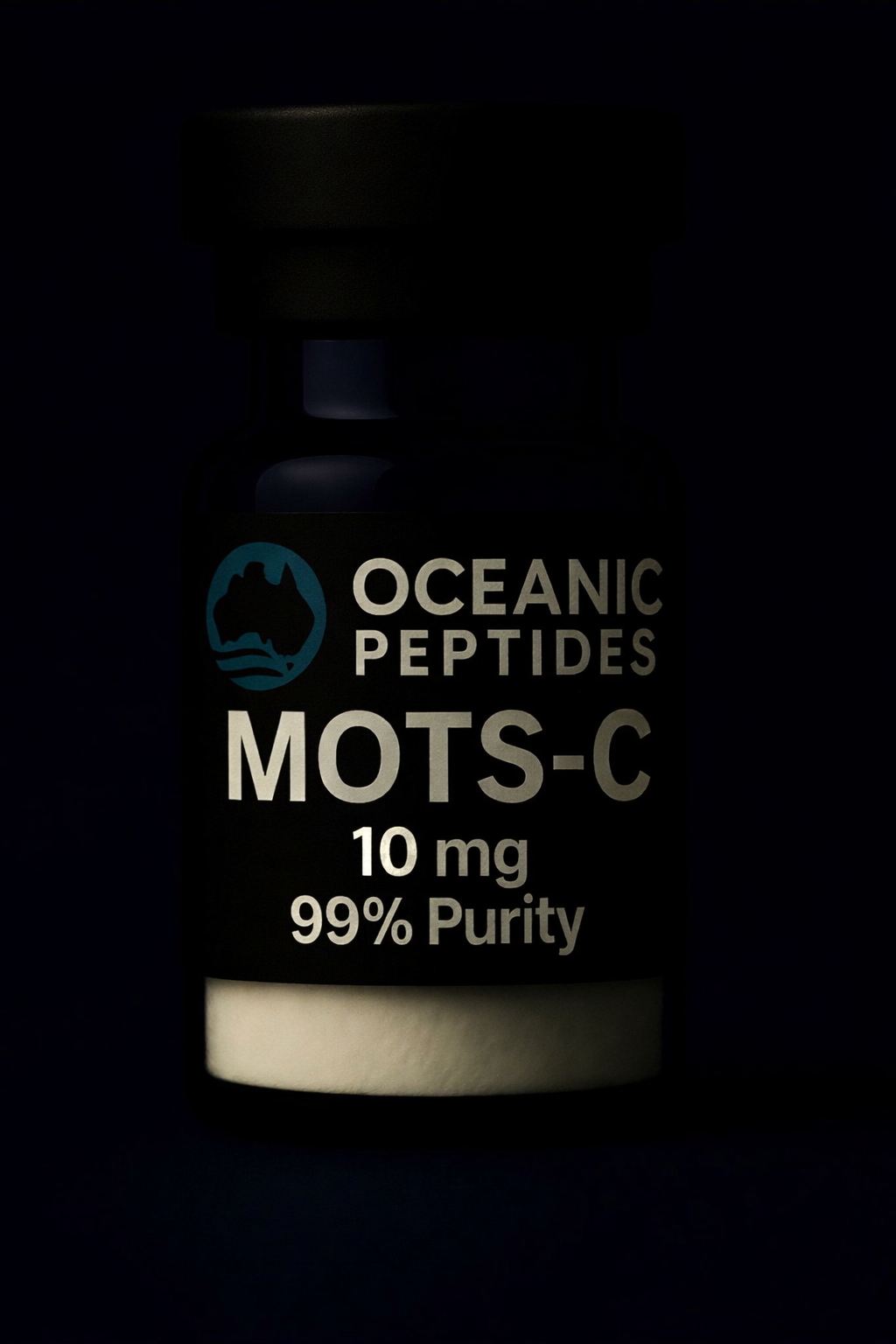
MOTS-C (10MG)
MOTS-C (10MG)
Couldn't load pickup availability
MOTS-C – 10 mg | 99% Purity
Oceanic Peptides : MOTS-C is a mitochondrial-derived research peptide encoded within mitochondrial DNA and studied for its unique role in cellular metabolism, energy regulation, and stress-response signaling pathways. Unlike traditional peptides encoded in nuclear DNA, MOTS-C represents a distinct class of metabolic signaling compounds used in advanced biochemical research.
This 10 mg, 99% purity formulation is supplied as a lyophilized (freeze-dried) powder, ensuring optimal stability, precise measurement, and long-term consistency for laboratory research environments. Each batch is produced under strict quality control and verified through third-party analytical testing.
Researchers commonly explore MOTS-C in relation to:
• Cellular energy metabolism and glucose regulation models
• Mitochondrial signaling and intracellular communication
• Metabolic stress adaptation pathways
• Gene expression and cellular resilience research
• Exercise and nutrient-sensing pathway studies
⸻
Product Highlights
• Compound: MOTS-C
• Concentration: 10 mg
• Purity: 99% (HPLC verified)
• Form: Lyophilized powder
• Use: Research use only
• Quality Control: Third-party identity & purity verification
⸻
Purity: 99% (HPLC verified)
• Form: Lyophilized powder
• Use: Research use only
• Quality: Third-party tested for identity and purity
STORAGE:
Before Reconstitution (Lyophilized / Powder Form)
Lyophilized peptides are much more stable than liquid peptides.
Recommended storage:
• Short-term (0–3 months): Keep in a refrigerator, ideally 2–8°C (35–46°F).
• Long-term (3+ months): Store in a freezer, preferably –20°C or colder.
Other tips:
• Avoid repeated temperature cycling (in/out of freezer).
• Keep the vial sealed tightly to protect from moisture.
• Store in the dark; peptides degrade with UV or sunlight exposure.
⸻
2. After Reconstitution (Mixed With Bacteriostatic Water or Sterile Water)
Once in liquid form, peptides become less stable.
Recommended storage:
• Always store in the refrigerator at 2–8°C.
• Shelf life depends on the specific peptide, but generally:
• 1–4 weeks in the fridge is common for many research peptides.
• For longer storage, freezing small aliquots is preferred.
Never refreeze the same liquid aliquot repeatedly—this can break down the peptide.
Important Notice
This product is intended strictly for laboratory and research use only. It is not approved for human or veterinary use and is not intended to diagnose, treat, cure, or prevent any disease.
Share